CryptoPunks Fever: Alien NFT Sells for $16 Million Amid Ethereum's Dip
Despite Ethereum's recent decline, a rare CryptoPunks NFT, Punk #7804, fetched $16.42 million, highlighting the enduring appeal of digital collectibles.
 Weiliang

Author: Pix & Translation: Saoirse, Foresight News
People in the cryptocurrency world often say, "If it's not your key, it's not your coin." This sounds powerful, and it's often true. But there's a hidden mirror logic behind this statement—"Only your key owns your cryptocurrency."
If no one else knows how to access your wallet, then the moment you stop breathing, your cryptocurrency is essentially "no longer existing." Of course, this isn't a literal disappearance—it still exists in the blockchain ledger, but from an economic perspective, it's no different from being burned.
Most current solutions fall into two extremes: either simple but fragile, like storing mnemonic phrases in a bank safe deposit box (easily lost and stolen); or secure but so complex that no one wants to actually use it. Neither of these solutions is satisfactory, so I adopted a compromise—a simple three-step transfer method that is easy to remember, difficult to crack, accessible anytime, anywhere, and guarantees 100% non-custodial (i.e., no reliance on intermediaries).
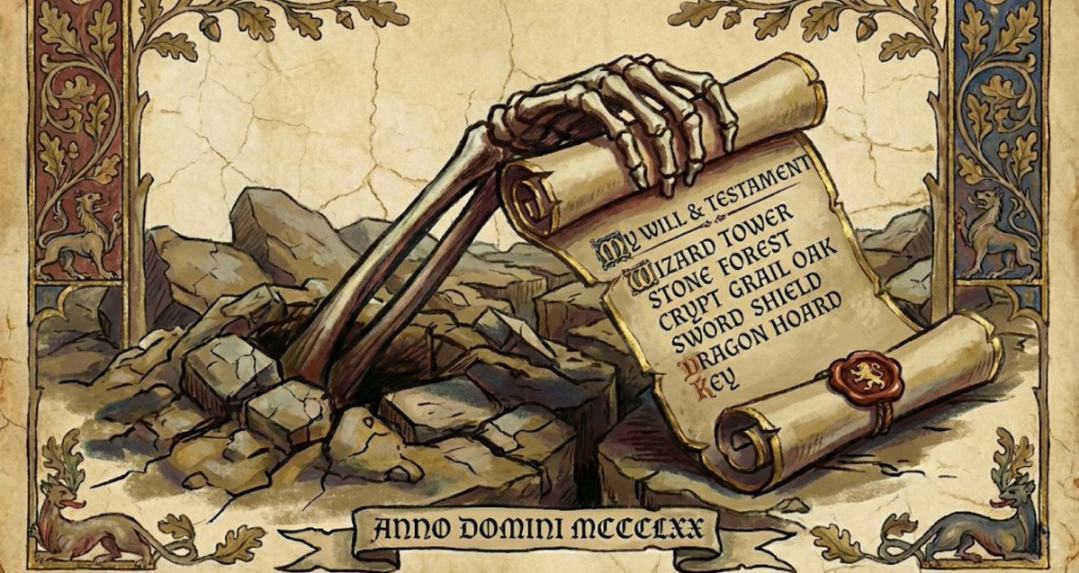
The specific steps are as follows: Step 1: Build your own single-page website. Create a single-page website using a "niche domain" consisting of 3-4 words—domains that ordinary people wouldn't easily type into a search bar, but which should have special meaning for you and be easy to remember. Also, prepay for website hosting fees for at least 10 years and set up automatic renewal to ensure the website remains accessible in the long term. Step 2: Convert your mnemonic phrase into a numeric string. First, choose a book you like, find its most common publisher, and buy 10 copies (ensuring that the page numbers and layout of each book are completely identical). Then, convert your cryptocurrency wallet mnemonic phrase into a numeric string one by one: for each word in the mnemonic phrase, find its position in the book and record "page number - line number - word position in that line". For example, "112, 3, 5" represents "the 5th word in the 3rd line of page 112". Convert all mnemonic phrases into numeric strings using this method.
Step 3: Upload the numeric strings to your dedicated website
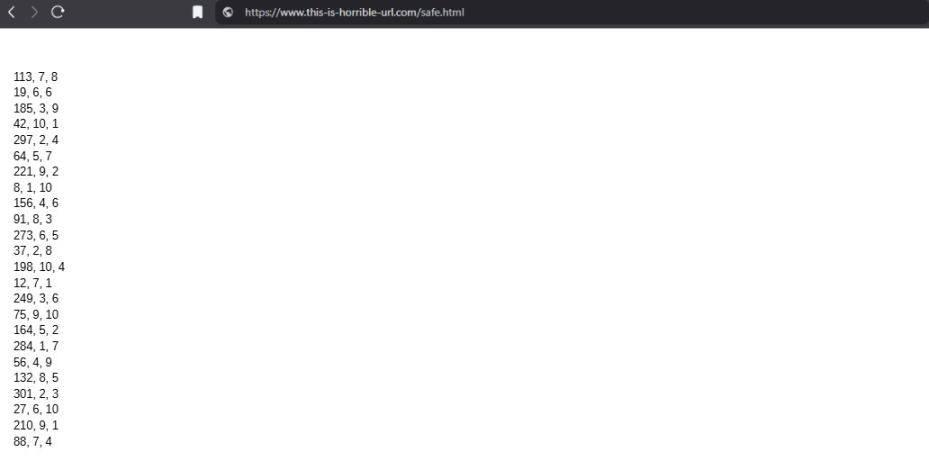
Simply publish the converted numeric strings as a list on your dedicated website, in the following format:
By the way, this is a real numeric string corresponding to a mnemonic phrase, linked to $500 in cryptocurrency. However, the website domain is fictitious; the real mnemonic phrase is hidden in a book.
Despite Ethereum's recent decline, a rare CryptoPunks NFT, Punk #7804, fetched $16.42 million, highlighting the enduring appeal of digital collectibles.
WeiliangCoinbase's Base blockchain faces challenges amid Ethereum's network surge, exacerbated by the meme coin craze, causing transaction disruptions and rising fees.
 Alex
AlexCCData's report highlights stablecoin market growth, with USDT surpassing $100 billion and Ethena's USDe emerging as a significant player.
 Miyuki
Academics have uncovered a severe vulnerability in Apple's M-series chips, allowing hackers to access encryption keys. This "unpatchable" flaw poses a significant challenge to Apple's security infrastructure.
AlexSchwartz's cryptic tweet suggests a future XRP price of $5. SEC victories and a new trading bot add intrigue. XRP's price shows volatility.
MiyukiAIOZ Network partners with Alibaba Cloud, becoming the leading blockchain ally in their Innovation Accelerator program, aiming to revolutionize southeast Asia's blockchain landscape.
WeiliangA Binance executive, detained in Nigeria over a tax evasion case, reportedly escaped using a fake passport. The incident has raised questions about security and regulatory oversight in the crypto space.
AlexIndonesian student Sultan Gustaf Al Ghozali, known for earning $1M from selfie NFTs, raises $1.8M in a memecoin presale comeback.
MiyukiElon Musk questions Vitalik Buterin's departure from X, prompting discussions about Farcaster and the cultural impact on cryptocurrency platforms.
WeiliangNilam Resources, Inc. enters a strategic partnership to acquire 24,800 Bitcoin, signaling a shift towards digital assets in the financial landscape.
Alex